
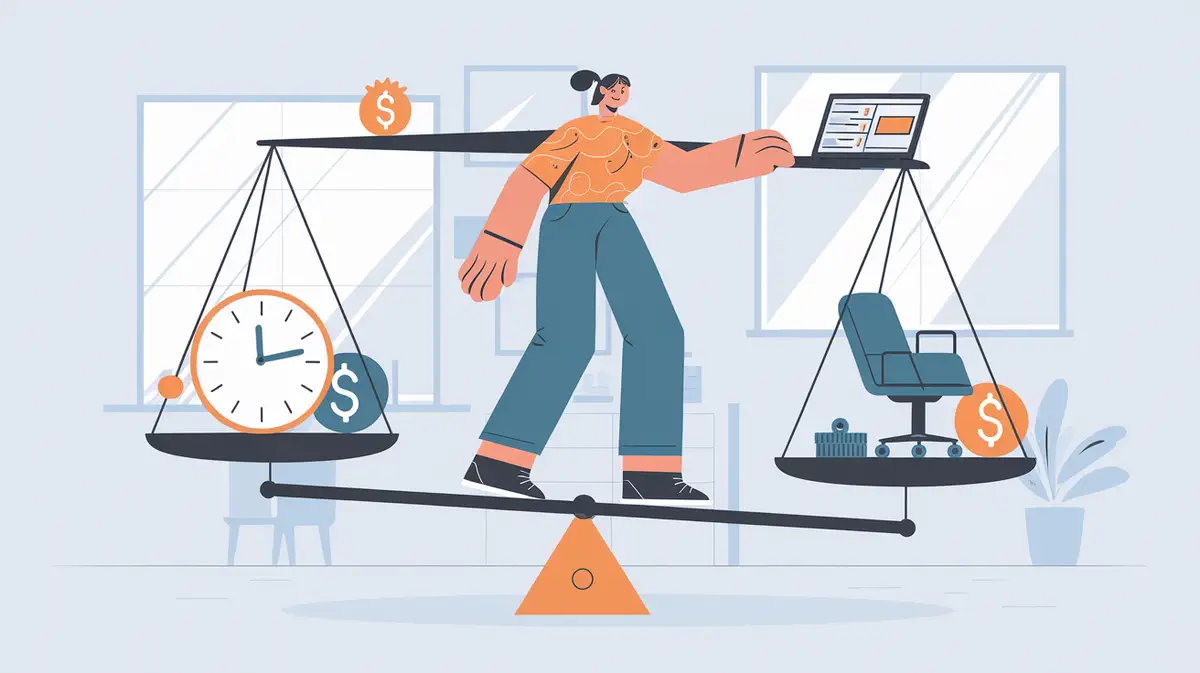
Deciding between freelancing and a full-time job can be challenging, as both have unique advantages and drawbacks. Whether you’re a student, a professional looking for flexibility, or someone seeking stability, understanding the differences can help you make an informed decision. Let’s dive into the pros and cons of each option.
What is Freelancing?
Freelancing involves working independently on projects for different clients rather than being employed by a single organization. Freelancers often work in fields like writing, design, programming, or consulting and are usually paid per project or on an hourly basis.
What is a Full-Time Job?
A full-time job typically requires you to work for a single employer under a contract, with fixed working hours and a stable monthly salary. Full-time jobs often come with added benefits such as health insurance, retirement plans, and paid leave.
Pros of Freelancing
- Flexibility in Schedule
Freelancers control when and where they work, making it ideal for those seeking a better work-life balance. - Diverse Opportunities
Freelancers can work with multiple clients in different industries, enhancing skills and broadening professional networks. - Unlimited Earning Potential
Unlike fixed salaries in full-time jobs, freelancers can increase their income by taking on more clients or high-paying projects. - Work Independence
Freelancers enjoy creative and decision-making freedom, choosing the projects that align with their interests.
Cons of Freelancing
- Income Instability
Work availability can vary, leading to unpredictable monthly earnings. - Lack of Benefits
Freelancers do not receive perks like health insurance, retirement plans, or paid holidays. - Self-Management Challenges
Managing deadlines, taxes, and client communication can be overwhelming without organizational support. - Isolation
Freelancers often work alone, which might lead to feelings of isolation or reduced collaboration opportunities.
Pros of Full-Time Jobs
- Job Security
Full-time employment offers stability, consistent pay, and long-term career opportunities. - Employee Benefits
Full-time roles typically include health insurance, paid time off, and other perks. - Structured Environment
A fixed schedule and workplace routines help maintain discipline and productivity. - Career Growth
Employees often receive training, promotions, and the chance to build long-term expertise in their field.
Cons of Full-Time Jobs
- Limited Flexibility
Fixed hours and workplace requirements can interfere with personal commitments. - Income Ceiling
Salaries are often capped, with limited opportunities to boost income quickly. - Workplace Stress
Office politics, deadlines, and long commutes can contribute to job-related stress. - Reduced Autonomy
Employees must follow company policies and directives, which can feel restrictive at times.
Freelancing vs. Full-Time Jobs: A Comparison Table
| Aspect | Freelancing | Full-Time Job |
|---|---|---|
| Flexibility | High | Low |
| Income Stability | Low | High |
| Benefits | Not Provided | Provided |
| Workload Control | You decide | Employer decides |
| Learning Curve | Fast-paced, varied experiences | Focused on specific skills |
Which Option is Right for You?
Choosing between freelancing and a full-time job depends on your priorities:
- Choose freelancing if you value flexibility, independence, and diverse opportunities.
- Choose a full-time job if you prefer stability, structured growth, and financial security.
Conclusion
Both freelancing and full-time jobs have their pros and cons. Assess your goals, lifestyle preferences, and financial needs to determine the best fit for you. Whether you seek the freedom of freelancing or the stability of a full-time role, the decision ultimately comes down to your personal and professional aspirations.